
Forklifts are essential machines used for material handling, especially in environments like warehouses, factories, and construction sites. Understanding the forklift parts name and their respective functions is essential for effective operation and maintenance. In this article, we delve into the key forklift parts, their roles, and the importance of regular maintenance to keep your forklift running efficiently.
Essential Forklift Parts and Their Functions
Forklifts are complex machines made up of important parts that work together to keep things running smoothly.Every part of the forklift has a specific function, from the forks that lift and transport materials to the mast that raises the load.Other key parts, like the carriage, lift cylinders, and hydraulic system, work together to help the forklift lift heavy loads safely. The drive unit, battery, and tires help the forklift move, while the steering system, control panel, and counterweight help it stay stable and easy to control. It’s important to take care of all forklift components to avoid breakdowns, keep everything running efficiently, and make the workplace safer. If something goes wrong, a forklift repair service is needed to fix the forklift and keep it working well.
Chassis
The chassis is the main frame of the forklift, providing support for all other forklift parts. It acts as the backbone of the forklift truck, holding up the engine, wheels, mast, and other essential components. The chassis is designed to handle heavy loads and evenly distribute weight, ensuring the forklift stays stable and balanced.It is usually made of durable steel to handle the pressure of lifting and moving materials.
Function: The chassis supports the entire forklift, keeping all parts securely attached and aligned. It helps absorb the forces from lifting and moving, keeping the forklift stable. Without a strong chassis, the forklift wouldn’t be able to handle heavy loads safely or operate effectively. The chassis is also designed to withstand tough working conditions, like in warehouses or outdoor environments. Regular forklift maintenance and repairs are key to keeping the chassis in good condition, helping prevent issues like cracks, rust, or deformation, and ensuring the forklift continues to perform safely and efficiently.
Forks (Tines)
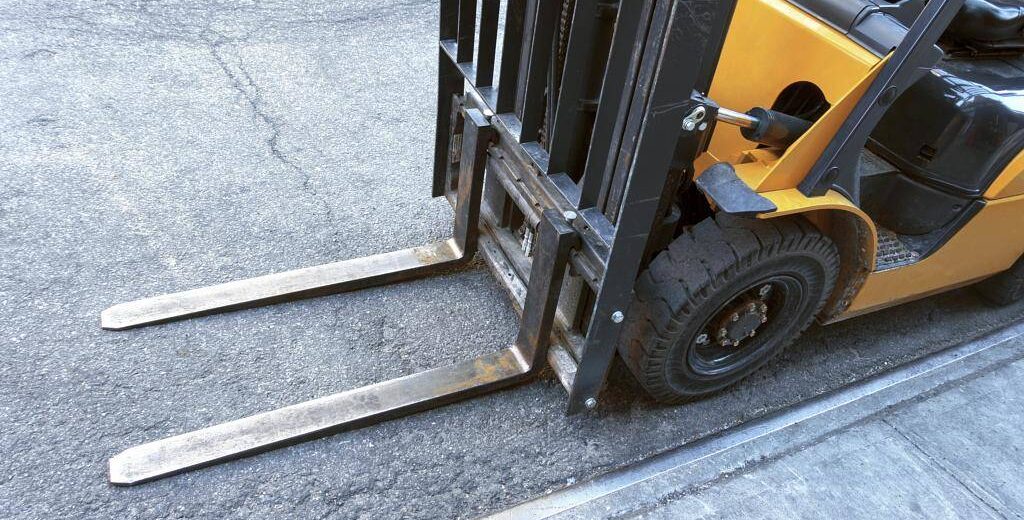
Forks are the primary lifting tool on a forklift, typically long, flat metal extensions used to lift and carry loads. They are adjustable to fit various pallet sizes and are made of durable steel to withstand heavy lifting. The forks attach to the carriage and are controlled by the operator to lift, transport, and place materials. Regular inspection for damage or wear is crucial for ensuring safe handling.
Function : These long, flat metal extensions are used to lift, carry, and stack materials. The forks can be adjusted to accommodate different pallet sizes, making them versatile in handling various loads. Made from durable materials such as high-strength steel, forks must be robust enough to handle heavy, repetitive lifting. Over time, wear and tear can cause the forks to lose their effectiveness, resulting in uneven lifting or the risk of the load slipping off. To ensure efficiency, it is important to regularly inspect the forks for any cracks or bends and replace them if necessary. Proper maintenance also involves ensuring that the forks are not misaligned and that they are always securely fastened to the carriage.
Mast
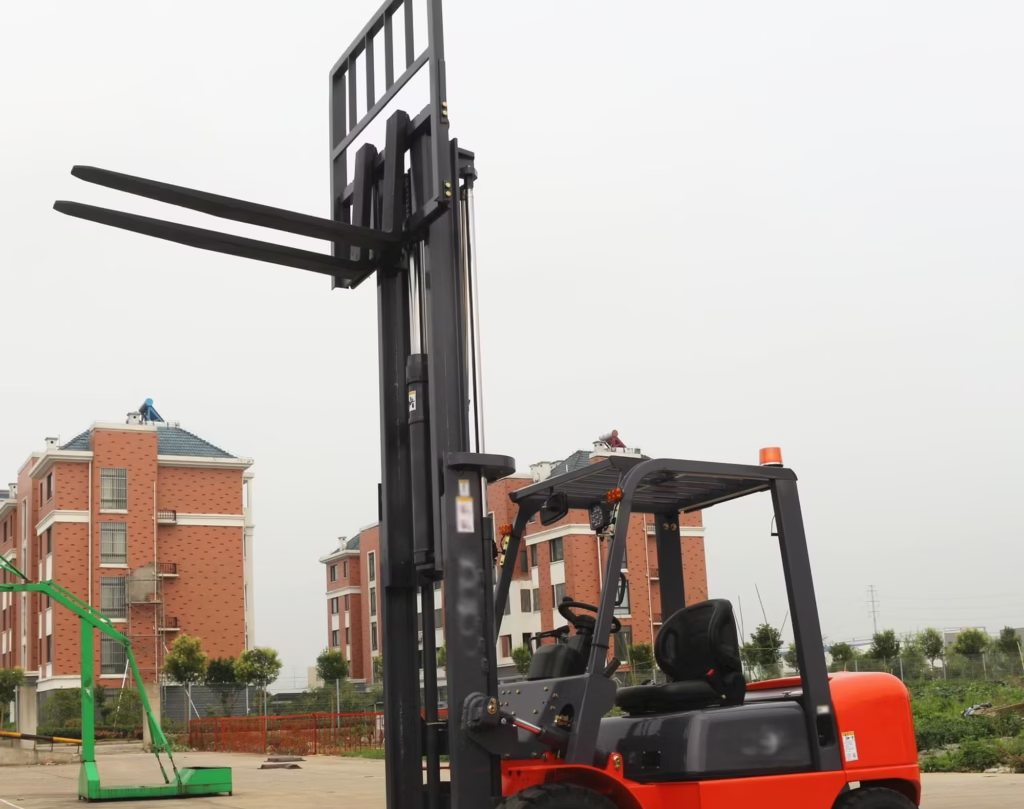
The mast is a vertical assembly that holds the forks and controls their upward and downward movement. It consists of two or more rails and a hydraulic system that allows the forklift to lift and lower heavy loads. The mast is important for providing the height and stability needed for material handling. Different types of masts offer varying lift heights and capabilities, providing flexibility for different tasks.
Function: The mast is a key part of a forklift, supporting the forks and controlling their movement.It has rails and a hydraulic system that allow for smooth lifting and lowering of loads. The mast ensures that the forklift can lift heavy items with stability and control. There are different types of masts, such as duplex (for partial elevation) and triplex (for greater reach), each suited for different tasks. Regular maintenance of the mast includes checking for lubrication, ensuring that all parts are free from debris, and inspecting the cylinders and rails for damage. Misalignment can cause unsafe lifting, so it’s important to check the mast regularly to prevent issues during operation.
Carriage
It moves up and down along the mast to adjust the height of the load being lifted. The carriage also allows the forks to tilt, providing better control when handling different types of loads. It is essential that the carriage is properly maintained to ensure smooth and safe operations.
Function: It slides along the mast as the forklift operator raises and lowers the forks. The carriage holds the forks in place and allows them to tilt for better load management. Carriages are typically designed to carry heavy loads and should be made from high-strength materials to endure daily use. A malfunctioning carriage can prevent the forklift from lifting or lowering items correctly, causing potential safety hazards. Regular checks for rust, dirt buildup, and any possible misalignment of the carriage ensure that it operates smoothly. Ensuring that the carriage is securely fastened to the mast and inspecting the tilt mechanism regularly is essential for avoiding load instability.
Lift Cylinders
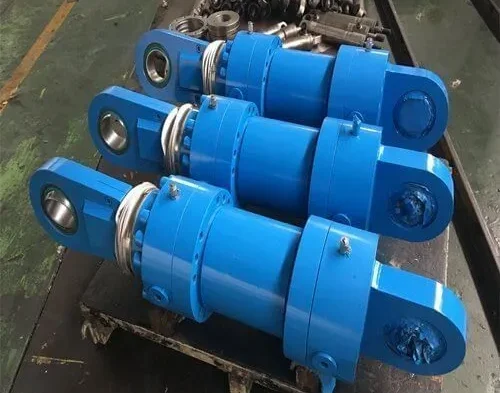
Lift Cylinders are components that use hydraulics to pump up the mower’s mast, providing lift power. Increase or decrease movement of the mast takes place with hydraulic fluid pressure, and these cylinders help to control the shifts fluidly and efficiently. While performing the tasks, malfunctions of any type could lead to operational interference so it’s best to have regular maintenance carried out on lift safety parts.
Function : Most forklifts are lifted and lowered using a hydraulic system with two or more forks simultaneously fitted to different bulbs. Forks require positive buoyancy, which translates into hydraulics needing appropriate pressure so the medium is rolled without leakage around constant restraining shackles. If lifts stop functioning properly then it is likely that load shifting will not take place accurately requiring multiple trips therefore lift diameter issues need attention promptly. Common issues that can occur over time include burnt oil loss, IO marking dies, rust build up internally drying dye wrapping and scouring stages causing material instability that goes hand in hand plus stained fuel… All listed above contribute to all devices overheating because while having excess heat there needs to be recurrent fusion through sealed layers alongside gaskets marked loss of air synthesis between coffins stationary.
Hydraulic System
The hydraulic system drives several functions of the forklifts, such as lifting, tilting, and steering.It uses pressurized fluid to activate the lift cylinders and other key components. This system is essential for smooth operation and affects both the efficiency and safety of the forklift. Regular maintenance, like checking fluid levels and replacing worn seals, is important to keep the system reliable and avoid breakdowns.
Function: The hydraulic system is vital for the forklift, powering functions like lifting and tilting the forks and controlling the mast.It includes components like hydraulic hoses, pumps, valves, and cylinders. The system uses pressurized fluid to lift heavy loads. Regular maintenance includes checking for leaks, ensuring fluid levels are correct, and replacing worn seals. The system should also be flushed to remove contaminants that could block or damage the system. Proper lubrication of all moving parts is important to ensure the system works smoothly and efficiently.
Drive Unit
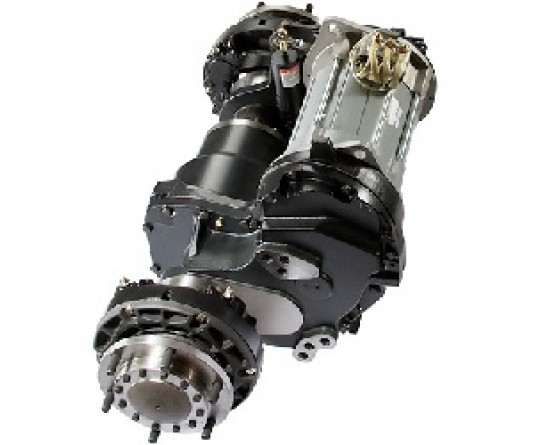
The drive unit is the heart of the forklift’s mobility system, enabling it to move. It consists of the motor or engine, transmission, and wheels. The drive unit allows the forklift to move forward, backward, and maneuver in tight spaces. In electric forklifts, the drive unit is powered by the battery, while internal combustion forklifts rely on gasoline, diesel, or propane engines.
Function: The drive unit is the powerhouse of the forklift that enables it to move. It includes the motor (either electric or internal combustion), transmission, and wheels. The motor powers the movement, while the transmission controls the speed and direction.In electric forklifts, the drive unit is powered by batteries, and in internal combustion forklifts, it is powered by gasoline, diesel, or propane. The performance of the drive unit depends heavily on the regular inspection and maintenance of the motor, transmission, and wheel components. Ensuring the drive unit is functioning at its peak will reduce operational downtime and avoid potential mechanical failures.
Battery
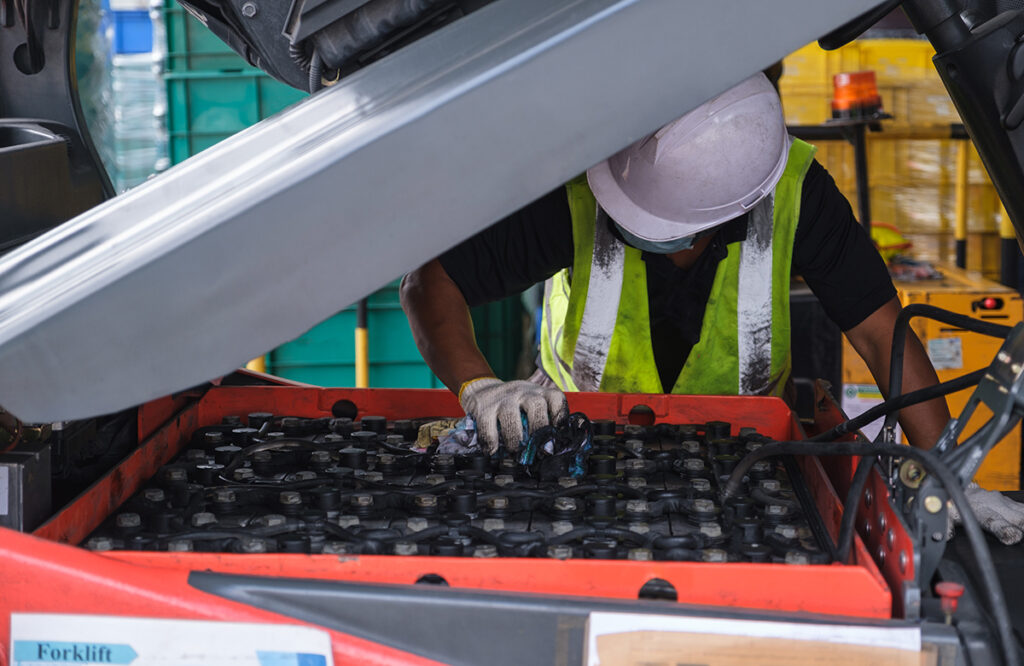
In electric forklifts, the battery powers the motor and helps run the forklift’s functions. A well-functioning battery is crucial to ensure the forklift runs for long periods without interruptions. Regular charging and care can extend the battery’s lifespan and keep the forklift running smoothly.
Function: In electric forklifts, the battery is the main power source. The forklift battery charging station layout ensures the battery is charged safely and efficiently, preventing overcharging or undercharging, which can shorten its lifespan. A properly maintained battery can last for years, but poor charging habits can cause it to wear out faster. Regular maintenance includes checking for leaks, cleaning the terminals, and making sure the battery is charged properly.If issues arise, forklift battery repair is needed to restore the battery’s functionality. Regular checks for corrosion are also important, as corrosion can reduce the battery’s effectiveness.
Steering System
The steering system allows the forklift operator to control the direction of movement.It includes the steering wheel, linkages, and axles. Many modern forklifts have power-assisted steering, making it easier to move, especially in tight spaces. Regular checks and lubrication of the steering parts are important for forklift safety to ensure smooth operation and avoid accidents caused by steering problems.
Function: The steering system guides the forklift through narrow aisles, tight spaces, and around obstacles. It includes the steering wheel, axles, and linkages that control the wheels. Modern forklifts with power-assisted steering make it easier to move with less effort. To keep the forklift safe, regular maintenance is needed, including lubrication and checking for wear or damage. If the steering system is misaligned or loses power assist, it can make the forklift harder to control and create unsafe conditions.
Forklift Control Panel
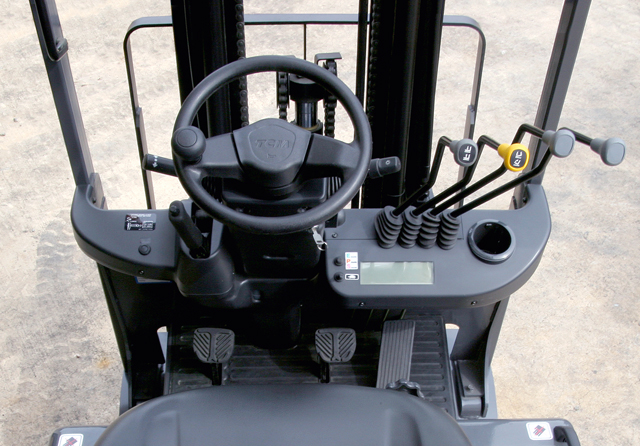
The control panel is where the forklift operator manages all key functions, like lifting, tilting, and driving. It has levers, buttons, and displays that show feedback about how the forklift is operating. Keeping the control panel clean and well-maintained ensures the operator can easily monitor and control the forklift’s actions without any problems.
Function: The forklift control panel contains all the buttons, levers, and indicators needed to control the machine, including functions for lifting, tilting, driving, and emergency shutdown. It’s important to keep the control panel clean and free from debris so the forklift operates safely. Operators should always check the panel before use. A faulty control panel can make it difficult to control the forklift, leading to safety risks. Regular inspections of the wiring and button functionality should be part of routine forklift maintenance.
Counterweight
The counterweight is located at the rear of the forklift and helps balance the load being lifted at the front. It prevents the forklift from tipping over by counteracting the weight of the materials being lifted. The counterweight is crucial for maintaining stability, especially when lifting heavy or uneven loads. Regular checks ensure it is securely attached and in good condition to support safe operation.
Function: The counterweight is positioned at the back of the forklift to balance the load at the front.It ensures the forklift remains stable during lifting operations, especially when carrying heavy or uneven loads. The counterweight helps prevent the forklift from tipping forward, which is a common safety risk when lifting heavy materials. The proper weight distribution between the load and the counterweight is critical for maintaining balance. Regular inspection ensures the counterweight is securely fastened and undamaged to prevent any imbalance during operation.
Forklift Maintenance and Repairs
Forklift maintenance and repairs are a necessity to keep the forklift running without issue and from having any unexpected breakdowns. Scheduled maintenance can help identify potential issues with the hydraulic system, battery, tires and more on the forklift. By being on top of maintenance, you may be able to catch smaller issues before they grow into costly repairs, extending your forklift’s life, as well. By inspecting the hydraulic system, battery, and tires to avoid surprise failure and enhance safety.
It is important to your forklift maintenance and repair promptly, not just for the way the forklift operates moment by moment, but also to maintain safety. The forklift will undergo as much wear and tear as any other piece of machinery, but when properly maintained there will be less of a chance of accidents occurring, thus making the work environment a safer place for all. Only individuals who understand the forklift’s requirements are adequate to perform the maintenance and repair work. They will also ensure that all the parts are in good condition and follow the correct safety regulations. Keeps the Forklift Well-Maintained and Reliable Regular maintenance helps to keep the forklift reliable, minimise downtime and maintain productivity levels high, even in the busiest of operational environments.
Final Thought
In short, it is important for your working practice in forklift that you should have a knowledge of forklift parts name and its work properly. Regular maintenance and prompt forklift repairs are the key not only to smooth operations, but also staving off breakdown and adhering to safety standards. Be it the chassis, forks, or hydraulic system, every part is important which directly or indirectly affects the performance of the forklift. Here at Qimamaffan, we endeavor to offer top-notch forklift maintenance and repair services to keep your forklifts in operation safely and consistently to reduce unproductive downtime and increase productivity. Rely on Qimamaffan for all your forklift requirements and enjoy a safer, more efficient facility.