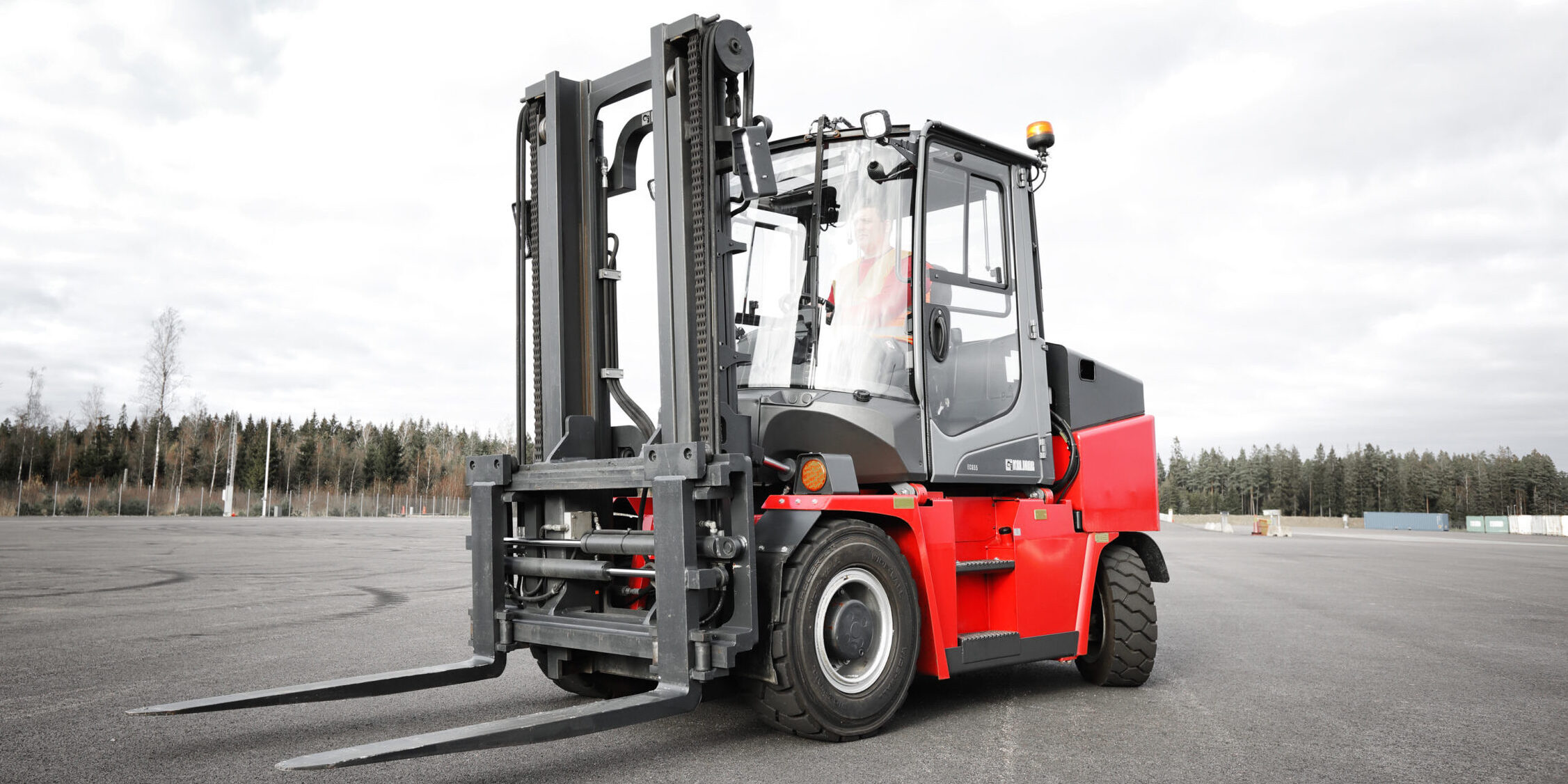
Forklifts are indispensable devices in warehouses, logistics centers, manufacturing plants, and various other industries where it’s necessary to lift, move, and transfer heavy loads. But deciding on the appropriate kind of forklift is paramount to that of your cost, safety, and overall productivity!
The Battery Operated forklift and the Diesel forklift are two of the most commonly used types of forklifts. Both possess unique benefits and are ideal for specific scenarios. In today’s blog post, we’ll take a deep dive into both types—how they function, the benefits they offer, the maintenance they require—before we offer a head-to-head comparison so at the end you can decide which one is a better fit for your business.
What is a Battery Powered Forklift?
The battery-powered forklift, also referred to as an electric forklift, operates without using gas or diesel as its power source, relying instead on a battery. It is equipped with an electric motor powered by a rechargeable industrial battery PL-100 12V, driving the forklift’s movement and load lifting capabilities. Without a fuel engine, this eco-friendly alternative to traditional mowers produces no smoke, fumes, or loud noise.
These forklifts are often used indoors in warehouses, factories, cold storage areas, and distribution centers. Their compact size and tight turning radius make them ideal for navigating narrow or confined spaces. Additionally, their quiet operation makes them suitable for use in clean environments such as food storage or pharmaceutical plants.
How does a Battery Operated forklift operate?
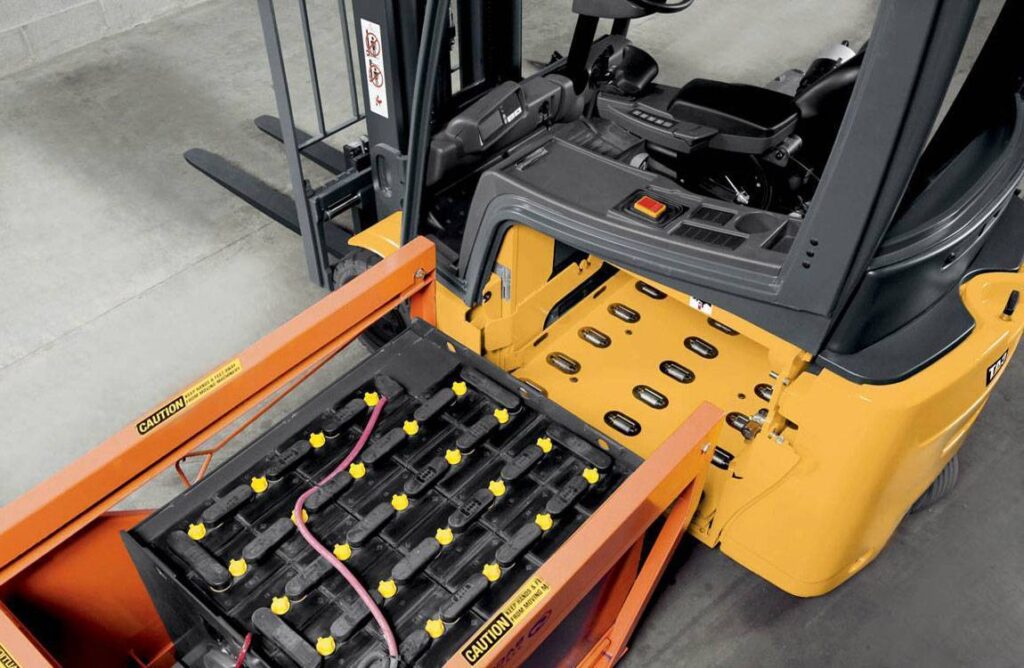
The forklift is powered by a large lead-acid or lithium-ion battery, which provides energy to the electric motor. It has an electric motor which powers the hydraulic system in turning the forks up and down and the wheels moving the lift itself forwards and backwards. When the energy runs out in the forklift battery it must be recharged, with a specialized forklift battery charger, in a properly configured charging station forklift battery layout.
Significance and Advantages Battery Operated Forklift
Zero Emissions (Eco-Friendly)
One of the advantages of using a battery operated forklift is that it’s also smoke-less not to mention emit no hazardous gases. Since it runs on electricity, no emissions are produced like those from diesel forklifts. That makes it ideal for indoor use, particularly in environments with strict contamination controls, such as food factories, hospitals and pharmaceutical warehouses. These Lifts allow you to keep your work area clean and safe. It also means you don’t need to install ventilation systems for fumes.
Quiet Operation
Forklift Trucks that Run on Batteries are Substantially Quieter than Those that Run with Diesel opportunists. They are powered by electric motors, which are noisier and promote a less tranquil workplace. This is way useful in warehouses or factories where excessive noise can be stressful or makes communication hard. A forklift that is quieter means workers can hear safety alarms — and one another — better, which enhances safety and teamwork.
Lower Maintenance Costs
Electric forklifts have a lower number of moving components compared to diesel variants, resulting in fewer breakdowns. This results in a reduced requirement for maintaining the forklifts.However, proper care of the battery is still essential. If the battery gets weak or is not taken care of properly, regular maintenance like forklift battery repair may be needed for electric forklifts. Additionally, it is crucial to inspect parts of the forklift charger like cables and connectors to ensure safe and efficient charging. Overall, the cost of charging and maintaining electric forklifts will be more economical compared to maintaining diesel forklifts.
Energy Efficiency
It is cheaper to charge a battery of an electric forklift then fill it with diesel fuel. If you employ several forklifts it can save your company a significant amount of money over time. Not only is electricity cheaper, it’s cleaner. In order to prevent and minimize the hassle of battery charging denial, you need to have an organized forklift battery charging station layout. It enables you to charge batteries on schedule so that you avoid delays and can better manage your forklifts.
Compact Design and Maneuverability
Electric forklifts tend to be smaller, so they’re a better fit for maneuvering around confined work areas.They are perfect for indoor use, especially in warehouses with narrow aisles. Thanks to their tight turning radius, even in tight or crowded storage space these forklifts can work wonders. Their construction allows operators to safely and comfortably drive and lift products. When maintained and repaired regularly, these machines can last for many years, running capably.
Maintenance Considerations for Battery Forklifts
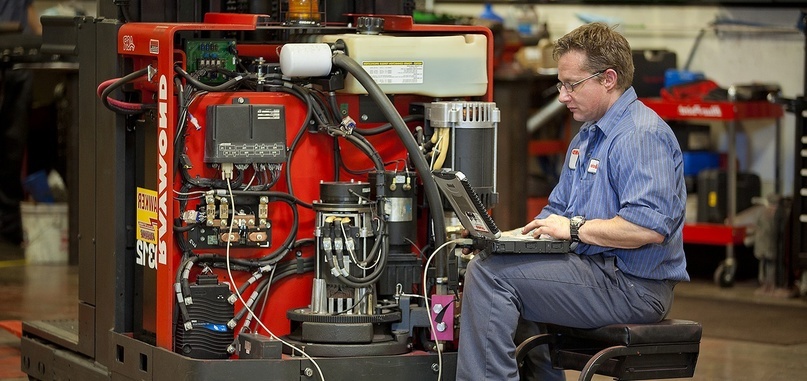
Electric forklifts need to take less maintenance altogether, but at some places which you need to focus. Source: Electric forklift battery maintenance – what you need to know with more regular use, however, the battery can start to deteriorate and will eventually need some electric forklift battery repair or replacement. The fork lift battery charger parts such as fuses and connectors must be serviced for best charging results. Secondly, a properly organized forklift battery charging area layout is key for productivity, this is particularly important in companies that god knows how many electric powered forklifts they have.
What is a Diesel Forklift?
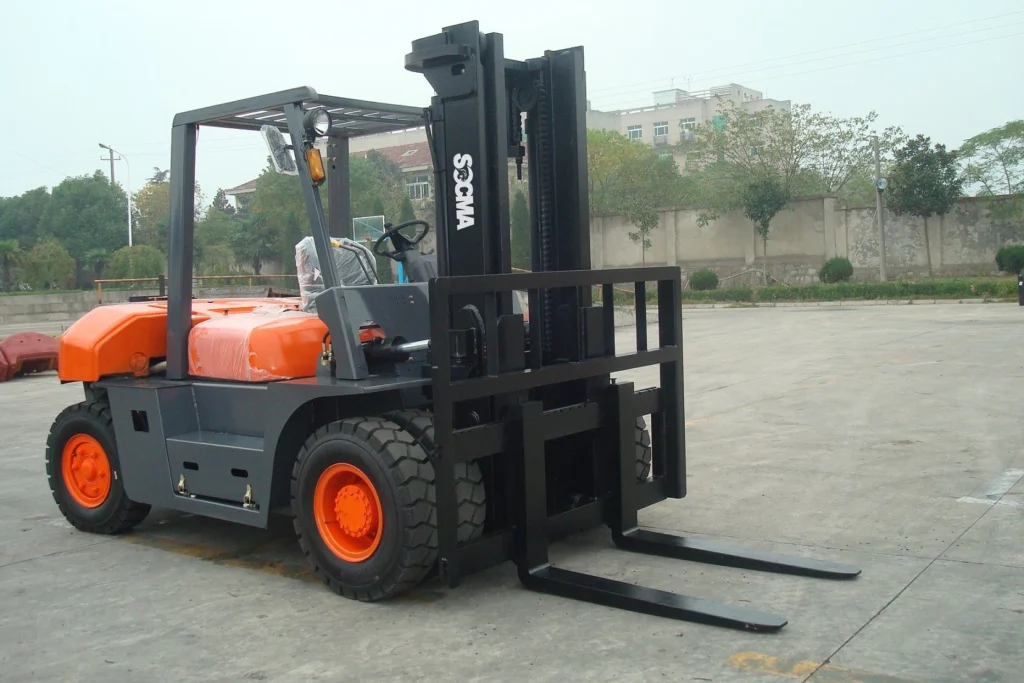
It is designed for heavy use, particularly in outdoor areas where it requires a lot of power. The forklifts are robust and capable of lifting extremely heavy loads, even across rough or uneven surfaces.
The diesel forklift is typically used in a construction site, stock ground, ports, etc., where it isn’t ideal to use the electric power supply. They’re also ideal for difficult tasks and long hours, as they can run for extended periods of time without taking a break. And you don’t have to charge them like you would an electric forklift — you simply recharge with diesel, and you’re ready to hit the warehouse floor again.
But Diesel fork trucks whilst being noisy and giving off exhaust smoke are the best choice for outdoor jobs where strength and speed count the most. Under the care of routine forklift service and maintenance and necessary repairs, diesel-powered forklifts will be able to stick around for years and handle strenuous work on a daily basis.
How does a diesel forklift operate?
Diesel For The Heavy Duty Jobs Diesel forklift trucks work off an internal combustion engine that burns diesel fuel and powers the hydraulic and drive systems. It is refueled through conventional diesel tanks and refueling takes place in a short time span, usually between several minutes. These forklifts are strong enough to produce a high torque and have a strong lifting effect, so they can be used for heavy work and heavy pick-and-place.
The Significance And Advantages Of Diesel Forklifts
A diesel forklift’s smashing performance and heavy-duty ability is tailor made for more demanding conditions. They are also easy to use on rough ground surfaces as well as in the outdoors. And with the capability to refuel in little time crews won’t need to take as much downtime even during race week. Diesel forklifts usually can run longer between fill-ups than their battery counterparts, which is great for anyone running more than one shift or running all day.
Maintenance Needs of Diesel Forklifts
Storage Diesel forklifts also need more extensive and frequent maintenance compared to electric models. Routine maintenance typically involves such adjustments as changing the engine oil, replacing the air and fuel filters, and inspecting the exhaust system. These forklifts are also more complicated with more moving parts, which means that overtime there is a higher risk of wear and tear. Therefore, they might require routine forklift repair to keep them up and running and running at optimum ability.
Battery Operated Forklift vs Diesel Forklift: A Complete Comparison
| Feature | Battery Operated Forklift | Diesel Forklift |
| Power Source | Rechargeable electric battery | Diesel internal combustion engine |
| Best Use Case | Indoor environments (warehouses, retail, food storage) | Outdoor, heavy-duty tasks (construction, shipping) |
| Emissions | Zero emissions (environmentally friendly) | Emits fumes and gases |
| Noise Level | Very low (quiet operation) | High (engine noise) |
| Fueling/Charging Time | 6–8 hours for full charge | 5–10 minutes for diesel refuel |
Maintenance Needs | Low : primarily focus on forklift battery repair and charger maintenance. | High; engine oil, filters, regular repair services |
| Operating Costs | Low (electricity is cheaper than fuel) | High (diesel + frequent maintenance) |
| Initial Cost | Slightly higher (due to battery + charger) | Usually lower upfront |
| Load Capacity | Moderate to heavy loads | Heavy to very heavy loads |
| Terrain Compatibility | Smooth, flat indoor surfaces | Rough, uneven outdoor terrain |
| Work Environment Suitability | Enclosed, clean spaces | Open-air, ventilated spaces |
| Lifespan of Power Source | Battery life: ~5 years with proper care | Engine lifespan: 10+ years with proper maintenance |
Which Forklift Should You Choose?
If you operate indoors and desire a clean, quiet and environmentally friendly solution for your business, an electric forklift is the way to go. It has lower running costs, lower emissions and is also easier to stay on top of maintenance-wise. But you’ll want to be ready to schedule charging and maintenance for your forklift charger parts and battery systems to realize these benefits.
On the flip side, if you are working with heavy-duty lifting in outdoor areas or in rougher terrains a diesel forklift might be more applicable. It offers high power, fast recharging and longer run time, but it has higher fuel and maintenance costs.
Reliable Forklift Rental Solutions by Qimam Affan
QimamAffan can help you with all of your material handling equipment rental needs for your business, no matter where you are in Saudi Arabia. We lease a variety of highly maintained forklifts, electric forklifts that require no gas and are designed to work indoors because they run off of battery and diesel forklifts that are best suited for outdoor work that is also tough. Our forklift rental solutions offer a complete flexible rental solution to long-term needs or for a low-demand season — so you always have the equipment you need. Offering fast delivery, professional services and the most competitive prices, Qimam Affan is your ideal service provider when it comes to forklifts rental.
Conclusion
Select the Forklift That Suits Your Company’s Demands. If you work indoors and require a quiet, clean and green solution, a battery forklift is the best you can get. It is cheaper to run, produces no emissions and requires less maintenance. But it has to be well charged and you have to check the battery once in a while.
If you are doing heavy lifting (outside or in rough terrain, for example), you might prefer to use a diesel forklift. It’s powerful and can run for more hours, and recharges quickly. But it is more expensive to operate and maintain. We provide versatile forklift hire options in Qimam Affan Whether you require an electric powered forklift for inside work, or a diesel or LPG forklift for outside performance, we have the perfect solution for your needs. Qimam Affan – your trusted machinery rental expert throughout Saudi Arabia!
FAQs
What is a battery-operated forklift?
A battery-operated forklift, alternatively known as an electric forklift, utilizes rechargeable batteries to power an electric motor that propels the forklift and raises loads.
How long does it take to charge a battery-powered forklift?
Charging a battery-operated forklift usually requires 6-8 hours for a complete charge, depending on the battery size and the forklift model.
What maintenance is necessary for a battery-operated forklift?
Battery-operated forklifts require routine battery inspections, charging system upkeep, and periodic repairs on the battery and charger components to ensure uninterrupted performance.
Is a battery-operated forklift environmentally friendly?
Yes, battery-operated forklifts generate zero emissions, making them eco-friendly. They are ideal for use in indoor environments where air quality is crucial.