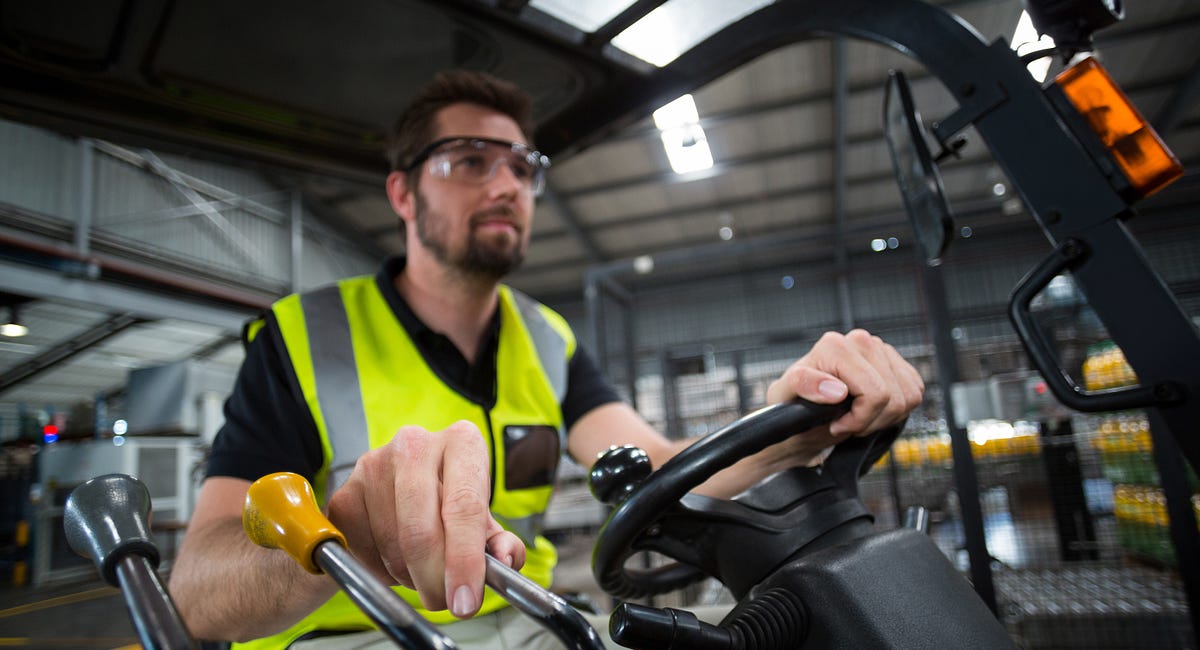
Forklifts are still very important today for a good reason. They are built to safely and efficiently move heavy materials, helping people reach areas that would be hard to access otherwise.But one common question is: Are forklift drivers and forklift operators the same?
Even though both jobs involve using a forklift, they are different in terms of skills, responsibilities, and qualifications.In this article, we’ll explain the difference between forklift operators and forklift drivers, the benefits of getting certified, and why forklift safety is so important on the job.
What Is a Forklift Driver?
A forklift driver is someone who primarily drives a forklift to transport goods within a specified location, such as a warehouse, construction site, or distribution center. The primary goal of a forklift driver is to ensure that goods are moved efficiently from one place to another, often within the same facility. The role of a forklift driver typically involves a more hands-on approach to driving, loading, and unloading materials.
Key Responsibilities of a Forklift Driver:
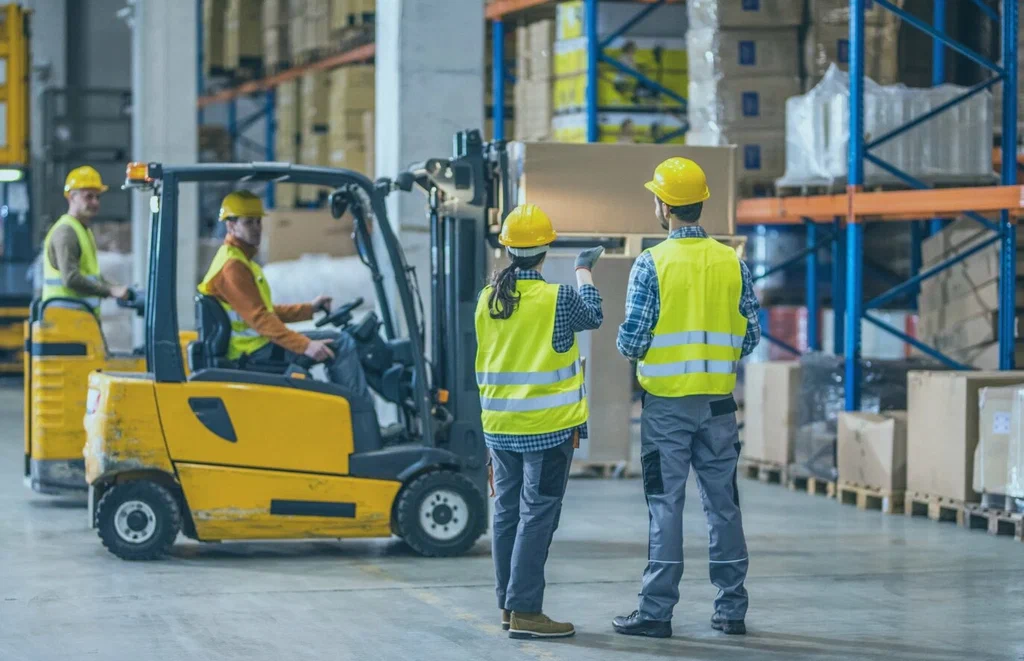
- Driving the Forklift: The primary duty of a forklift driver is to safely operate the forklift within a defined area, usually within a warehouse or factory. They must navigate tight spaces, narrow aisles, and varying terrain while ensuring that goods are moved efficiently.
- Loading and Unloading: Forklift drivers load goods onto trucks and unload shipments when they arrive. This task requires precision to ensure that goods are handled carefully and placed in the correct location without damage.
- Storing Materials: Forklift drivers must be able to place materials in storage areas, ensuring they are organized and accessible. Storing materials safely is vital, especially in high or difficult-to-reach areas.
- Basic Maintenance and Inspections: While the forklift driver’s primary job is to operate the forklift, they also perform basic maintenance, such as checking tire pressure, ensuring the battery is charged, and ensuring the general working condition of the forklift.
- Safety Protocols: Forklift drivers must adhere to strict safety standards, such as maintaining safe speeds and using appropriate personal protective equipment (PPE), including hard hats, gloves, and safety shoes.
While the focus of a forklift driver’s role is on driving and moving goods, there is less emphasis on the complex operational tasks that come with advanced forklift operation.
What Is a Forklift Operator?
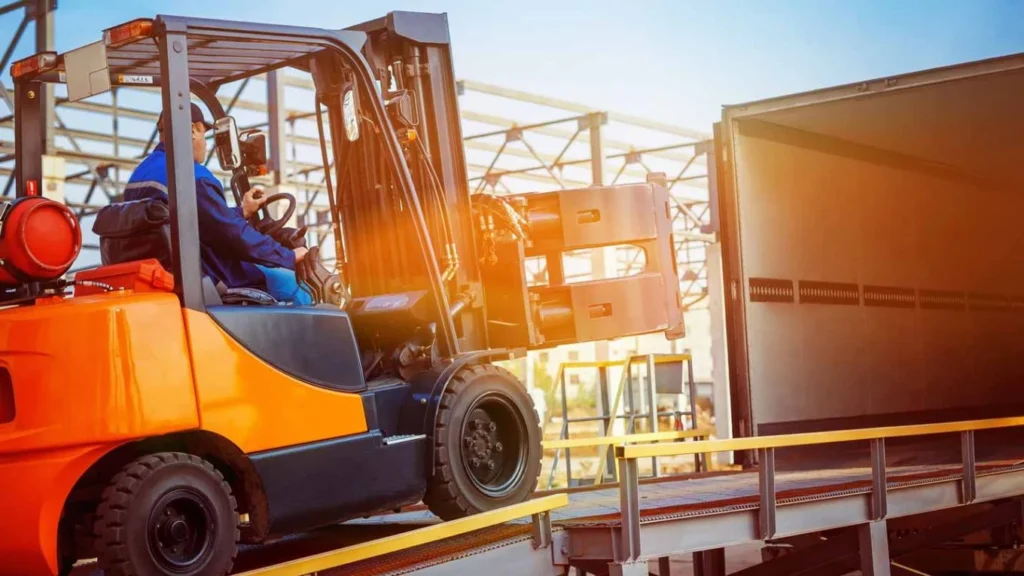
Job Duties A forklift driver has a similar role to a forklift operator but usually the latter is the more skilled and experienced. a forklift by operating more advanced features of forklifting, such as balancing a load, steering in tight spaces, and following the proper procedures, efficiently, and safely driving ranges in a forklift.
Key Responsibilities of a Forklift Operator:
- Operating Multiple Forklift Types: Forklift operators often have to operate a variety of forklifts, including counterbalance forklifts, reach trucks, order pickers, and even specialized forklifts for narrow aisles or outdoor environments.
- Load Handling and Distribution: A forklift operator is responsible for properly distributing the weight of a load to ensure that it is balanced and secure. This is essential for preventing accidents or damage to goods.
- Navigating Challenging Spaces: Operators are often tasked with operating forklifts in more complex environments, such as narrow aisles or high-stacking systems. This requires additional skills and attention to detail to ensure safety and efficiency.
- Forklift Operator Certification: Unlike forklift drivers, forklift operators typically require certification.This certification includes training on safe forklift operation, proper load handling, and advanced driving techniques to ensure that operators can perform tasks efficiently and safely. Forklift operator training ensures that operators can handle different types of forklifts and work safely in various environments.
- Equipment Maintenance: In addition to operating the forklift, operators may be required to conduct more advanced maintenance, including minor repairs and troubleshooting of the forklift. This helps to keep the equipment in optimal working condition, reducing the risk of malfunctions and ensuring safe operation.
- Safety and Compliance: Like forklift drivers, operators must adhere to strict safety regulations. However, because operators handle more advanced tasks, they must understand the specifics of workplace safety, including the safe operation of different forklift types and understanding safety regulations in complex environments.
Forklift Operator Certification: Why Is It Important?
One of the most important differences between a forklift driver and a forklift operator is the certification requirement. Forklift operator certification is mandatory in many countries and industries for anyone who operates a forklift. This certification is a formal recognition that the operator has received the necessary training to handle the equipment safely.
Benefits of Forklift Operator Certification:
Its forklift operator certificate is important for security and efficiency. OSHA forklift safety standards require forklift certification to make sure operators know how to properly operate a forklift and prevent accidents. This kind of certification can also help businesses adhere to legal rules in fields such as OSHA regulations, and help avoid fines and other legal headaches. Working with a licensed operator means that jobs are done more quickly, leaving more time for other duties such as loading, unloading and keeping track of inventory.Forklift training provides valuable knowledge in several ways. It teaches operators how to drive different forklift models, manage loads safely, and even perform minor repairs. With these skills, operators are better equipped to handle more complex and challenging tasks, including those in higher-risk environments.
Forklift Safety: A Priority for Both Drivers and Operators
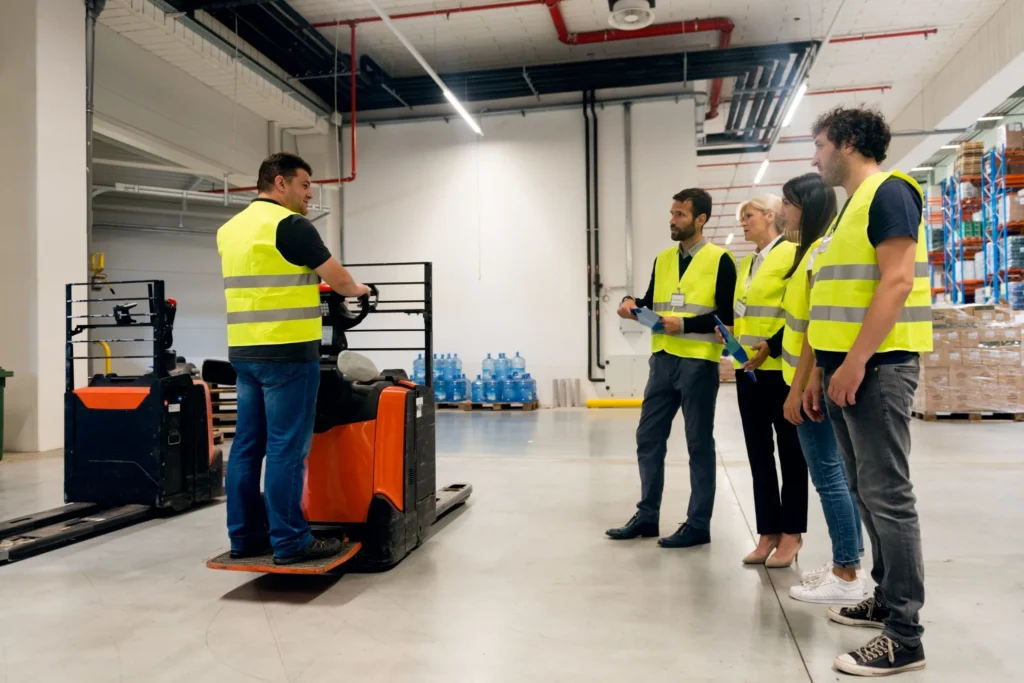
No matter if you’re a forklift driver or forklift operator, forklift safety should always come first. Forklift accidents are a leading cause of workplace injuries, but many can be prevented by following proper safety steps. Both drivers and operators should inspect the forklift before use. This includes checking the tires, forks, battery, and making sure the load isn’t too heavy. Wearing Personal Protective Equipment (PPE) like helmets, safety vests, safety shoes, and gloves is important for protection. Drivers and operators should drive at a safe speed and avoid sharp turns or sudden stops, as these can cause the forklift to tip over or the load to shift. They must also stay aware of their surroundings, especially in busy areas, using horns and lights to warn others and keep pedestrians safe. It’s important to secure and balance the load properly to prevent tipping. Finally, regular training helps both drivers and operators stay updated on forklift safety rules and reinforce good safety habits.
Forklift Types and Their Role in Different Jobs
Forklift drivers and operators should know the different types of forklifts. Choosing the right one makes the job safer and more efficient. Here are some common forklift types:
- Counterbalance Forklifts: Counterbalance forklifts are the most common type used in warehouses and manufacturing. They can support heavy loads and are convenient to use if you work in large outdoor or open fields. What makes these forklifts so steady, and so capable of dealing with large, heavy goods, is that they don’t require additional support.
- Electric Forklifts: Electric forklifts are powered by electricity, and don’t run on gasoline or diesel – which equals an environmentally-friendly and quiet forklift solution. These are the perfect indoor forklifts where air quality and sound are a real concern. Electric forklifts are energy-saving and emission-reducing.
- Doosan Forklifts: Doosan Lift Trucks are some of the toughest and reliable fork lifts in operation. They are made for industrial heavy usage in a warehouse, building site, and manufacturing. Doosan forklifts are tough and capable of doing whatever the application demands.
- TCM Forklifts: TCM forklifts for light weight and heavy duty work.They are environmentally friendly and economical. Used in warehouses, the TCM forklifts have a good performance and contributes to the cost saving of the fuel.
- 10-Ton Forklifts: Both 10-ton forklifts are used to carry extremely heavy loads, 10 tons. They are employed in construction and big warehouses to lift heavy materials. Heavy duty forklifts, designed for the toughest applications with excellent lifting capabilities.
- Nissan Forklifts:Nissan forklifts are highly versatile and easy to use, making it simple to pick up and move loads. Nissan Electric Forklift If you are looking for an indoor forklift, then the electric is just for you, and for even the largest and heaviest outdoor tasks, perhaps the gas is what you need, no matter what you are searching for then you can always trust that Nissan Forklifts are a brand you can trust. They are most commonly seen in warehouses and logistics.
- Hyster Forklifts: Hyster forklifts are known for their difficult working conditions in the food processing industry. They are both strong and durable and work well for construction sites, shipping departments and large warehouses. Hyster forklift trucks are ideal for heavy lifting and can lift at almost any capacity you need.
Forklift Rental Service: Flexibility for Businesses
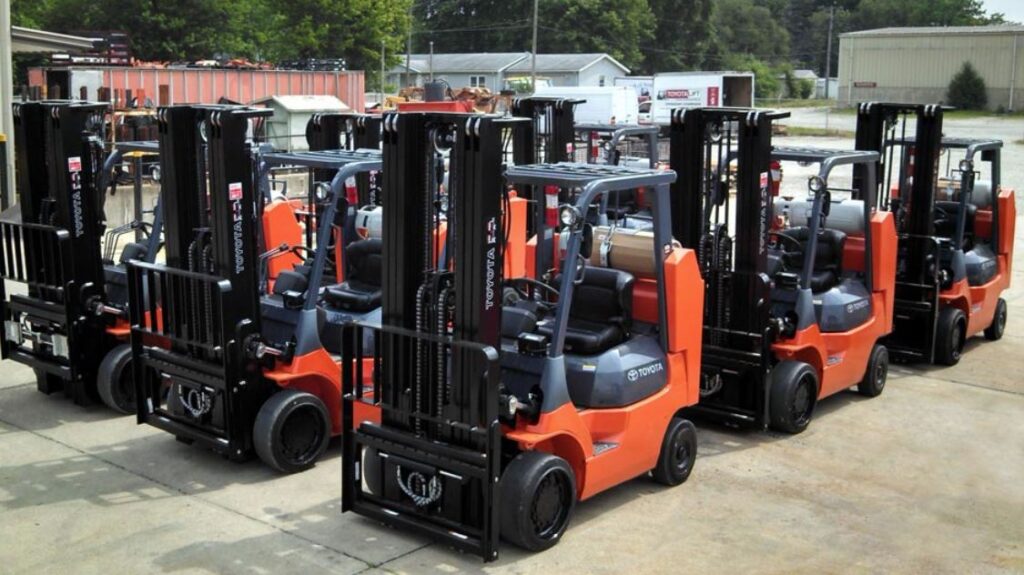
Rental Service provides businesses with a flexible and affordable option when buying a forklift is not an option as a result of budget, or time constraints. Forklift Rentals allow you to forgo the capital expenditure of purchasing equipment, ensuring a low-cost solution for seasonal needs, special projects or to grow your business. You also can often rent a forklift in a way that makes sense for your business, meaning that you rent for as long as it is needed. Such services also offer a range of forklifts, allowing companies to choose the right forklift for the job at hand, which makes it more efficient for the business while reducing costs.
Conclusion:
Overall, although the positions of forklift driver and forklift operator may be considered the same, they have different duties to perform and requirements to meet. Drivers will not only drive and pick up items but typically have to be proficient in working with various types of forklifts, lifting heavy objects, and have to work in ways that they are not only safe, but care for the equipment to have optimal safety when used. Clarifying these roles and the qualifications necessary to occupy them is important for companies, such as Qimamaffan, to have the right person in the right job. Not just for safety and efficiency, but also to increase workplace productivity. Well, whether you drive or operate a forklift, forklift safety and ongoing training is absolutely critical for not only safety, but also your workplace efficiency.
2 comments
[…] every aspect of your forklift operations. We supply skilled and experienced forklift operators and forklift drivers to ensure your daily logistics and warehouse activities run smoothly and safely. To promote […]
[…] the competency level of your staff with our forklift operator training or in need of seasoned forklift drivers to ensure your material handling requirements are consistently met, we have the solution. We offer […]