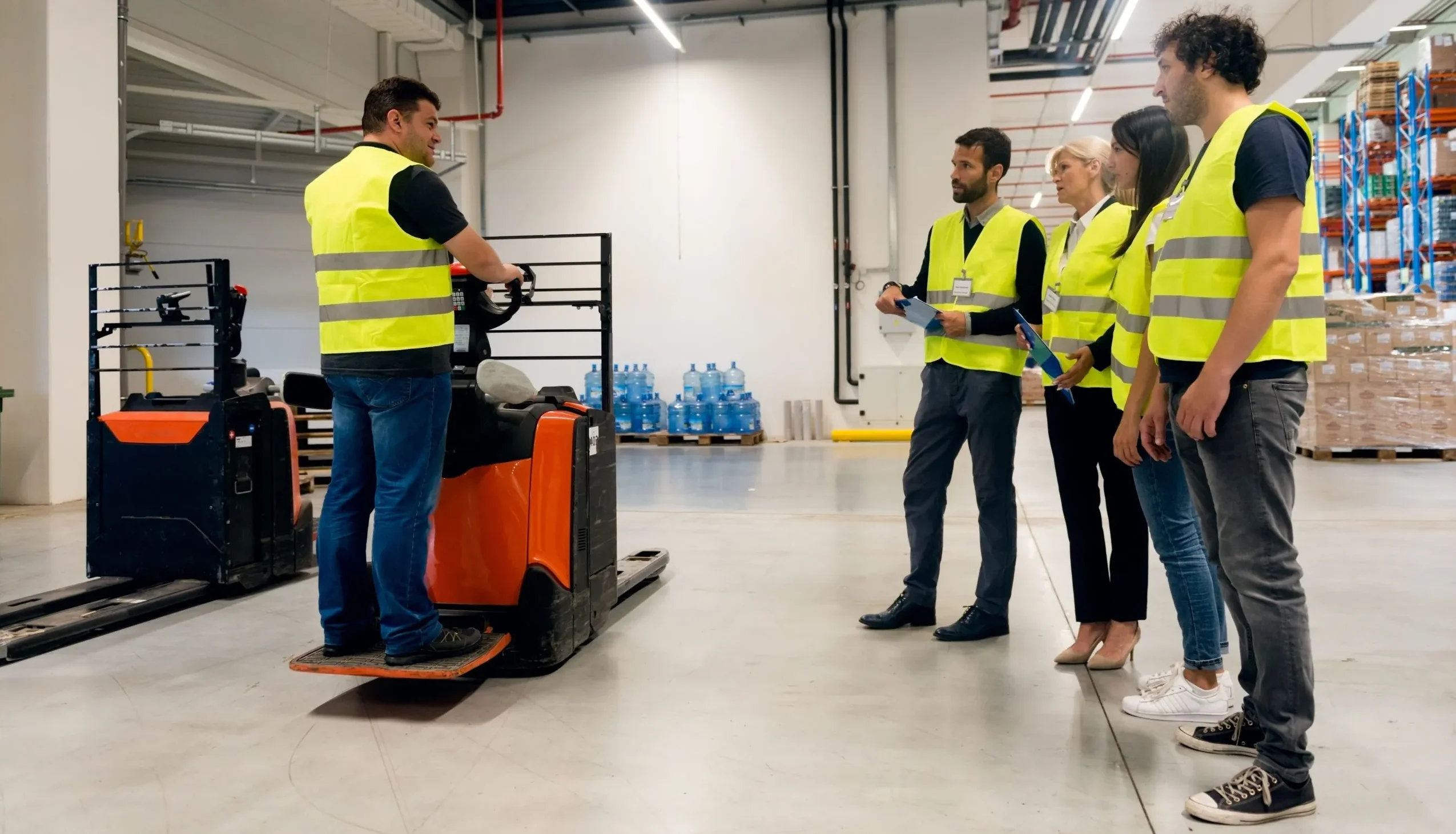
Forklifts play a vital role in moving materials quickly at sites like warehouses. These robust vehicles lift and shift hefty pallets with ease, yet their power creates danger when loads are mismanaged. Poorly balanced or oversized cargo can slide, tip, or drop, threatening drivers and any workers standing nearby.
Reducing that danger starts with careful load management. Sticking to safety rules, inspecting machines on schedule, and observing core handling techniques all cut the odds of an incident. Regular attention keeps equipment in peak shape and the workplace safer for everyone involved. When safety comes first, accidents fall and productivity flows without interruption.
Understanding Forklift Safety: A Key to Preventing Accidents and Ensuring Efficient Operations
Forklifts are crucial equipment in various industries for transporting materials, but they can be dangerous if not used correctly.Understanding forklift safety is crucial not only to protect operators but also to maintain an efficient and safe work environment for everyone on-site. This comprehensive guide explains the key aspects of forklift safety, from regulations and maintenance to best practices for operating forklifts securely.
Forklift Safety Regulations and Compliance
Compliance with forklift safety regulations is critical in preventing accidents and ensuring that forklift operations run smoothly. OSHA (Occupational Safety and Health Administration) has outlined strict guidelines to ensure forklifts are operated safely, and operators are fully trained to handle the equipment.
- Forklift Operator Training: OSHA mandates that forklift operators undergo proper training to understand the machine’s mechanics, potential risks, and operational procedures.
- Forklift Safety Checklist: Before each operation, a forklift safety checklist should be completed. This includes inspections of hydraulic systems, tires, brakes, and load-handling equipment. A checklist verifies that all safety features are working properly before use, reducing the chance of mechanical failure.
- Forklift Load Capacity: It is essential to adhere to the load capacity limits specified for each forklift. Exceeding this limit can lead to accidents, such as tipping or loss of control.
- Regular Risk Assessments: Forklifts should be used in areas designated for heavy machinery, and a thorough forklift risk assessment should be conducted regularly to ensure there are no environmental hazards, such as obstacles or poorly maintained surfaces.
Understanding Load Capacity for Safe Operations
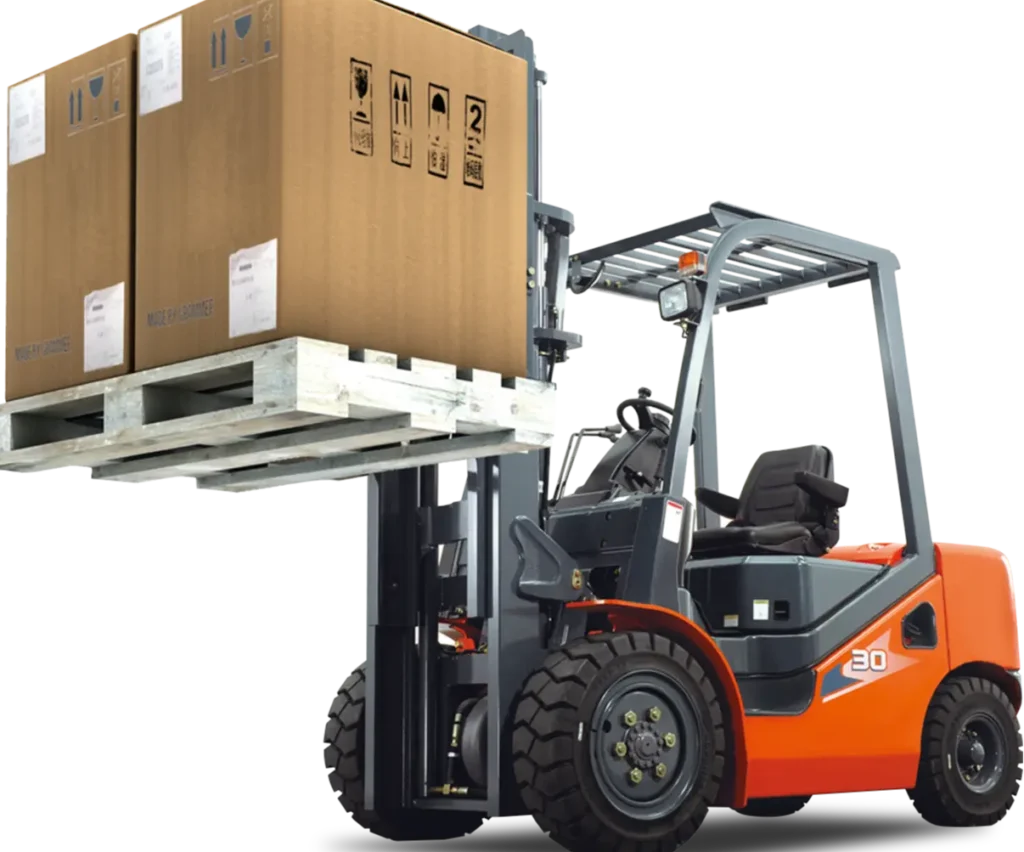
A forklift’s load capacity is central to safe operation, so operators must respect the specified limit. Overloading or positioning a load poorly can tilt the machine and trigger serious accidents. To manage loads safely, operators need to weigh three basic factors:
First, know the forklifts rated load capacity. Every unit has a stated maximum weight it can carry, and that number should never be crossed. The limit appears on a plate near the operator and in the owners manual. Operators must commit this figure to memory and defer to it in every lift.
Next, ensure even load distribution across the forks. A centered, flat package stays stable; a side-heavy or stacked pile can tip even within the weight limit.
Height matters, too. Keeping the load as low as practical while moving preserves stability, especially on uneven ground or during turns.
When operators keep these habits, they protect themselves, their coworkers, and the valuable equipment they depend on.
Best Practices for Load Distribution and Handling
Proper load management is crucial for avoiding accidents and ensuring the efficient performance of forklifts.Proper load handling practices contribute significantly to forklift safety, minimizing forklift risk and ensuring smooth operations.
- Center the Load: Always place the load in the center of the forklift’s forks to prevent imbalance during movement.
- Secure Fragile or Irregular Loads: When handling irregularly shaped or fragile loads, use appropriate securing methods like straps or shrink wrap to prevent shifting during transport.
- Use of Attachments: Forklifts may require attachments like side shifters or extended forks to handle large or awkward loads safely.
- Limit Forklift Speed: When moving loads, particularly heavy or unstable ones, operators should reduce their speed to maintain control and minimize risk.
Forklift Inspections and Regular Maintenance
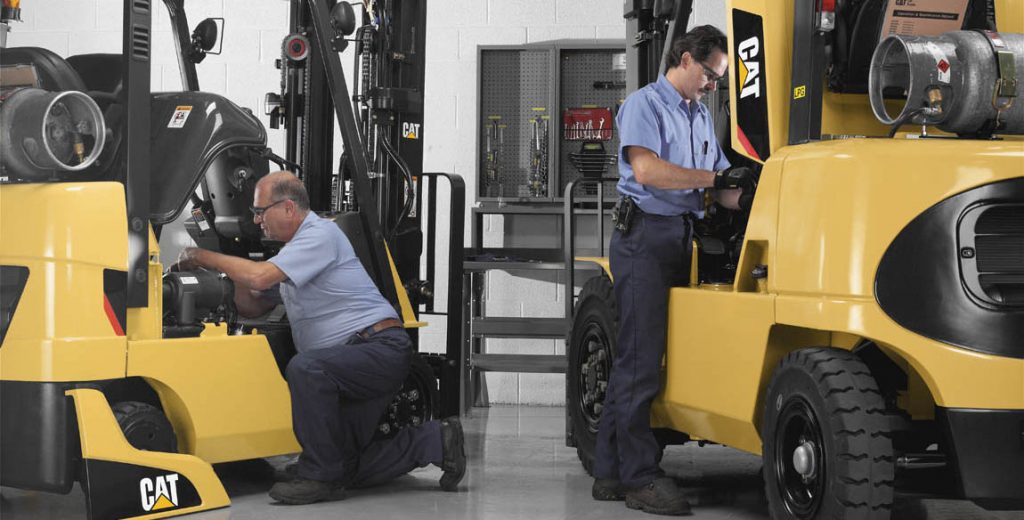
To ensure continued forklift safety, regular inspections and maintenance are necessary. A forklift in poor condition can cause mechanical failures, putting both operators and nearby workers at risk. Routine forklift inspection checklists and forklift maintenance are essential to preventing accidents. Here are the key steps:
- Daily Inspections: Before using the forklift, operators should conduct daily inspections based on a forklift safety checklist. This includes checking the brakes, steering, hydraulic systems, and forks.
- Maintenance and Repairs: Regular forklift maintenance and repairs are critical to the safe operation of forklifts. Common maintenance tasks include checking tire pressure, ensuring hydraulic systems are functioning properly, and verifying that lifting mechanisms are working correctly.
- Addressing Issues Promptly: If any part of the forklift is malfunctioning or damaged, it should be repaired immediately. Continuing to operate faulty equipment increases forklift risk and can result in severe accidents.
Forklift Safety During Load Transport
After ensuring the load is secure and the forklift is properly maintained, operators must transport the load carefully.
- Travel Speed: Forklift operators should always drive at a reduced speed when carrying loads. High speeds can cause the forklift to tip, particularly when turning or moving over uneven surfaces.
- Correct Fork Positioning: Raise the forks just enough to lift the load off the ground, which helps maintain stability and improves control.
- Avoid Sudden Movements: Avoid abrupt starts, stops, and sharp turns when carrying a load, as these actions can cause the load to shift or fall, leading to accidents.
- Pedestrian Awareness: In environments with pedestrian traffic, operators should always maintain a safe distance from other workers and give priority to pedestrians.
Forklift Operator Training and Certification
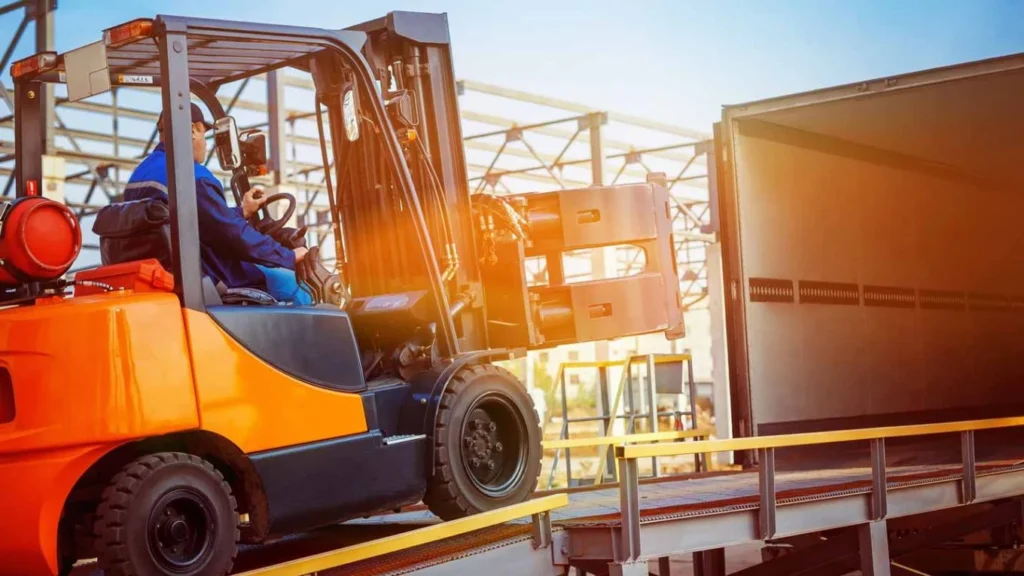
The first move toward safer forklift work is giving operators thorough training and a certificate from a recognized body. A strong class tackles several key areas and, taken together, sketches a full picture of safe handling.
Operators learn the core safety rules and drill on filling the pre-shift checklist before they ever sit down. That routine keeps the yard in line with regulations and sharply cuts the odds of a mishap. The course also spends ample time on load handling-showing crew members how to balance weight, tie down cargo, and respect rated limits so the truck stays upright.
Beyond lifting, trainees hear why daily inspections and simple upkeep matter; a cared-for machine fails far less often. Finally, only a badge from an accepted agency such as OSHA gives operators the legal green light to drive. That card proves they grasp the dos and don’ts, so employers feel far more confident that accidents will drop.
When companies make sure forklift operators receive thorough instruction and official certification, they sharply lower the chance of on-site injuries. That solid training gives operators the know-how to work safely and effectively, pushing the entire workplace toward a stronger culture of safety.
Why Choose Qimamaffan for Reliable Forklift Safety Solutions and Efficient Operations?
At Qimamaffan, we understand that safe forklift operation is vital to the smooth flow of your daily work. Backed by many years in the field, we deliver all-in-one services that lower hazards and boost output. Our crew stays current on safety laws and knows why routine inspections and solid upkeep can’t be skipped. We offer clear, hands-on training that certifies operators to drive lifts with confidence and care. Lessons range from smart load handling to step-by-step safety checks, helping your staff meet legal rules and cut incident rates. Our load-management tools further guarantee loads are well placed and anchored, which stops tip-overs before they start. Should trouble arise, our quick Forklift repair team tackles mechanical problems so your fleet stays healthy and on schedule. Choose Qimamaffan for trustworthy, budget-friendly support that keeps your forklift safety and operations running at their best.
Qimamaffan: Your Trusted Partner for Forklift Solutions in Saudi Arabia
Qimamaffan is your one-stop solution for all forklift-related services. In addition to ensuring forklift safety, we provide a wide range of services to meet your needs, including forklift rental services, forklift repair, and forklift battery repair services. Whether you need a temporary forklift for your operations or require repairs and maintenance to keep your equipment running smoothly, we’ve got you covered. We also offer expert guidance on forklift prices in KSA and provide details on the various forklift types available to suit your business’s specific needs. With Qimamaffan, you can rely on our professional services to keep your material handling operations efficient and safe.
Conclusion
Safe forklift work hinges on careful load handling and rigorous compliance with safety rules. By following the Qimamaffan safety checklist, keeping up with regular maintenance, and training operators properly, firms cut risk and build a safer shop floor.
When managers apply the steps in this guide-logical load limits, even weight spread, quick daily checks, and solid training-they gain secure, speedy, and efficient forklift use. Putting Qimamaffan’s advice first lowers accidents, boosts output, and protects every worker on site.
If you’re looking for expert forklift solutions, training, or maintenance services, Qimamaffan is here to help. Get in touch with us today to discover how we can assist your business and improve forklift safety.
FAQs
- What are the key safety regulations for forklift operation?
OSHA requires operators to be trained and certified, forklifts to be inspected before use, and operators to follow load limits and safety protocols. - How often should forklift inspections be done?
Forklifts should be inspected daily, with more detailed checks monthly or quarterly, depending on usage. - What are the primary causes of forklift accidents?
Improper load handling, lack of training, poor maintenance, and not following safety procedures. - Why is load management crucial for forklift safety?
It ensures stability and prevents tipping or loss of control by avoiding overloading and improper load distribution. - What should operators do if they find a forklift in unsafe condition?
Stop using it, report the issue, and ensure it is repaired before returning to service. Regular maintenance is vital for safety.
3 comments
[…] for your business and it is one bloody good factor for TCM Forklifts. These forklifts have special forklift safety features including: improved stability control, protected cabins and automatic load-sensing […]
[…] Forklift safety is at the heart of every forklift training program. The potential dangers of forklift operation—ranging from collisions with obstacles to accidents caused by improper load handling—make it crucial for every forklift operator to understand and follow safety protocols. Training programs teach operators the importance of conducting safety checks, wearing the correct personal protective equipment, and recognizing hazards on the job site. […]
[…] sure forklift drivers are aware of their surroundings and follow minimal forklift safety standards. This can be as simple as wearing seat belts, not cutting corners when turning, and never […]